
Real Estate, Explained
Can I Get Homeowners Insurance in LA in 2026?
A confirmed rate hike is about to change when insurance needs to happen in your timeline, not just what it costs.

I was walking a hillside listing on caravan recently, the kind of house where the view is the whole reason anyone falls for it, and the question on my mind wasn't the kitchen or the primary suite. It was whether whoever ends up buying this house is going to be able to insure it.
That's a strange thing to be thinking about on a Tuesday morning standing in someone's living room, but it's where we are right now.
The number you need to know
The California FAIR Plan, which is the state's insurer of last resort for the properties private companies won't touch, is raising rates by an average of 29.1 percent statewide, effective October 15. That's the largest increase in recent history, bigger than the roughly 20 percent jump in 2019 and the 16 percent increases in both 2021 and 2023. If your property sits in a higher-risk wildfire zone, and a lot of the hillside and canyon-adjacent homes I show in Sherman Oaks and up around Silver Lake do, you should expect an increase at or above that average, and some wildfire-portion premiums are doubling outright.
Take a house like 3627 Cody Rd up in Sherman Oaks, one of the homes on my running list right now, with canyon views from nearly every room. That view is exactly why this conversation matters. The same feature that makes a house unforgettable is often the same feature that puts it in a higher-risk zone.
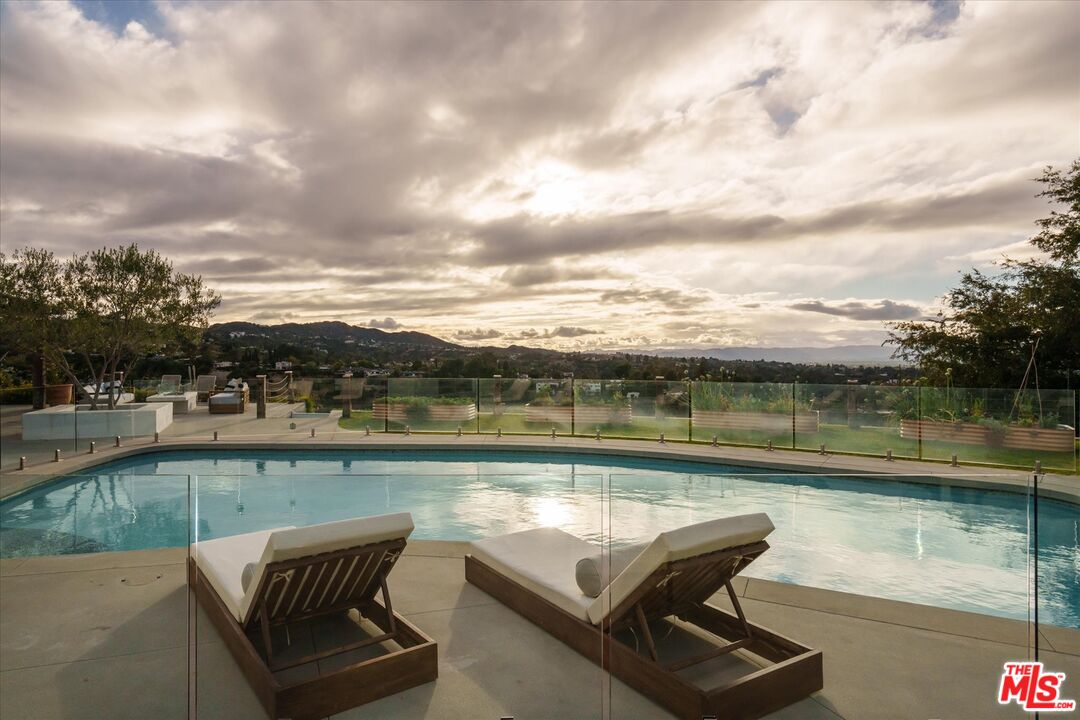
This isn't a rumor or a vibe I'm picking up from other agents. It's a confirmed, dated change, and it's coming whether or not it's on your radar yet.
If you're already on the FAIR Plan, I also laid out the practical steps worth taking before the increase hits, including fire-hardening discounts and re-shopping private coverage.
Why this matters more than people think
Here's the thing that's actually new this year, not just the rate itself. Lenders won't fund a loan without bound insurance coverage in place, which means insurance has quietly become a step you need to take a lot earlier in the process than most buyers realize. And here's my advice, which I know is going to sound aggressive to some agents who have been doing this a lot longer than I have: get your insurance quote before you even enter escrow, not somewhere in the middle of it once you're already committed. The old way was to sort insurance out mid-escrow, almost an afterthought once the real negotiating was done. That way of thinking doesn't hold up anymore, and I'm not going to keep telling my clients it does just because that's how it's always been handled.
I've watched buyers get all the way through inspections, feel good, get ready to move forward, and then hit a wall because insurance either costs far more than they budgeted or is harder to secure than they expected. That's a heartbreaking place to find out you have a problem. It's a much easier conversation to have on day three of your search than day thirty.
What I'm actually telling my clients
If you're looking at anything in the hills, anything canyon-adjacent, anything that reads as a wildfire interface zone, call an insurance broker before you write an offer, not after. Ask what it would cost to insure that specific address, not a general estimate for the neighborhood. My Know the Real Number, Not the Average insurance field guide gives you the fire-zone check, quote questions, and timing to work through first. And if you're already in escrow on something like this, get that quote moving now so it's resolved well before you're waiving contingencies, not scrambling in the final days before close. I have a great broker who's helped my own clients through exactly this, so reach out and I'm happy to share my resources.
If you're selling a home in one of these zones, it's worth knowing your own current premium and being ready to talk about it, because buyers are asking, and the ones who've done their homework are going to ask you directly.
None of this is meant to scare anyone off buying in the hills. Some of my favorite homes I've ever shown are up there, and I don't think this changes whether they're worth it. What it changes is the order of operations. Insurance used to be something you handled somewhere in the middle of the process. Now it needs to be one of the first calls you make.
If you want to talk through what this looks like for a specific address you're considering, or you just want a second set of eyes before you go further into a deal, I've got you.
(If you're also trying to figure out what an agent actually walks away with on a deal like this, I broke that down here: How Much Commission Does a Real Estate Agent Actually Make?)
I've Got You